The way patients receive care is shifting toward more support at home. Remote patient monitoring (RPM) has become a reliable way to stay connected with patients between visits. It gives providers daily insight into a patient’s health while reducing unnecessary in-office appointments. For practices treating chronic conditions, RPM adds a level of visibility that improves outcomes and strengthens continuity of care.
“RPM extends the reach of the care team by turning daily patient data into informed clinical decisions.”
What Is Remote Patient Monitoring?
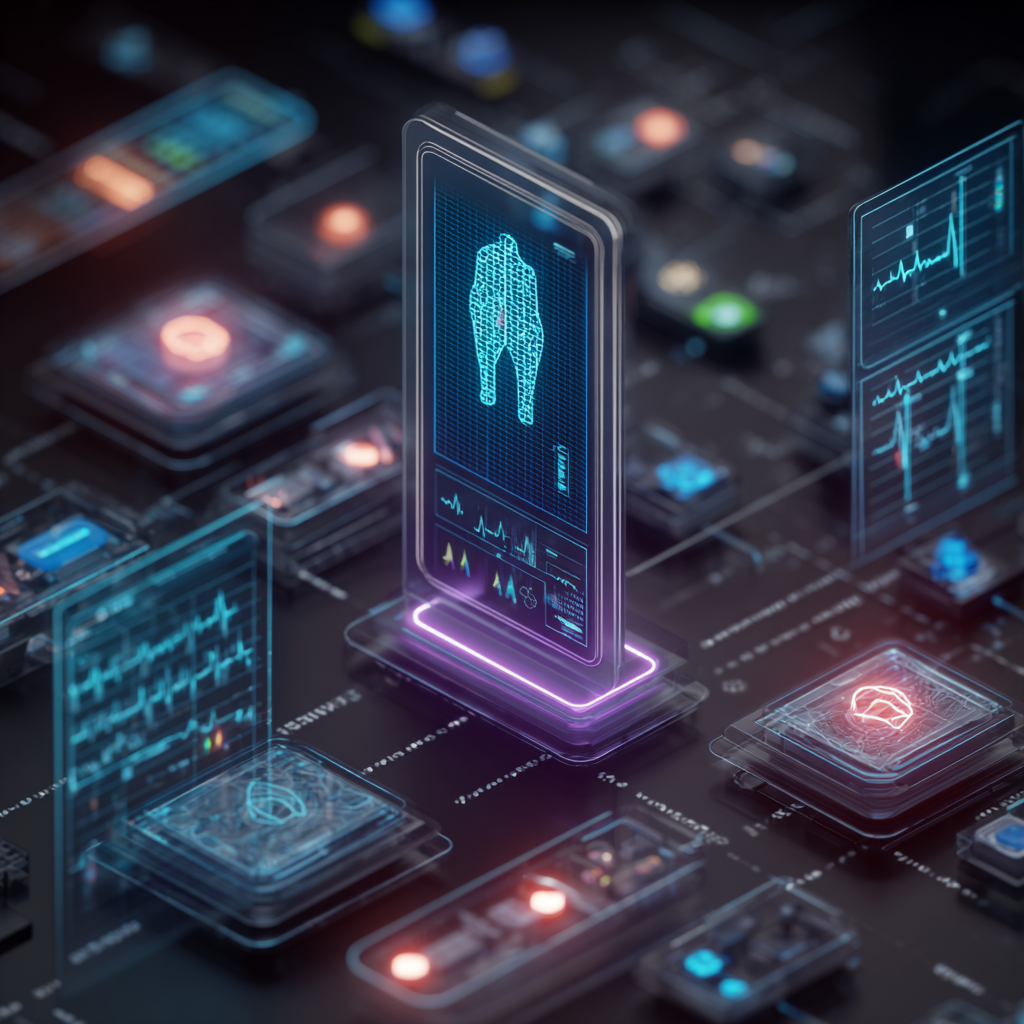
Remote patient monitoring uses connected devices to track a patient’s health from home. Patients take simple readings, and the data sends automatically to their care team. Providers then review the information, watch for trends, and intervene before small issues become larger problems. RPM sits within telehealth but focuses on continuous data rather than scheduled video visits.
RPM: A home-based monitoring system that gives clinicians daily, real-time insight into a patient’s health status.
How RPM Works
Patients receive an approved monitoring device and use it each day to record information such as blood pressure, glucose readings, oxygen levels, or weight. The device sends each reading to a secure platform in real time. The care team reviews the incoming data, identifies patterns, and contacts the patient when something needs attention. This creates a steady flow of communication and prevents delays in care.
Who RPM Is Designed For
RPM is especially beneficial for elderly patients managing chronic conditions like hypertension, diabetes, COPD, and heart failure. It also supports patients transitioning home after hospitalization by giving them added oversight during recovery. In general, RPM is ideal for anyone who benefits from consistent monitoring and proactive care.
Why RPM Matters for Patient Care
Daily data helps catch clinical changes early, often before symptoms become noticeable. Providers gain a more complete picture of their patients’ health trends rather than relying on sporadic appointments. This lowers preventable ER visits, improves outcomes, and encourages patients to participate actively in their care.
Key Patient Benefits
- Early detection of changes
- Fewer avoidable hospital visits
- More personalized care
- Stronger connection with providers
Benefits for Providers and Clinics
RPM offers continuous visibility that supports more informed decisions. Teams can intervene early and reduce risks before they escalate. Organized data simplifies charting and workflows. Medicare-approved reimbursement also helps practices implement RPM sustainably while improving patient care.
How RPM Helps the Elderly
Many seniors face mobility challenges or difficulty traveling to frequent appointments. RPM keeps them connected to their providers without leaving home. It preserves independence while ensuring someone is watching for concerning trends. Families gain reassurance knowing daily readings are being monitored.
Common RPM Devices
RPM programs typically use:
- Blood pressure monitors
- Glucometers
- Pulse oximeters
- Bluetooth scales
- Wearables for activity or symptoms
These devices supply real-time information that guides timely clinical decisions.
How RPM Differs From Traditional Telehealth
Telehealth appointments are scheduled touchpoints between the patient and provider. RPM runs continuously in the background, sending automated readings every day. Instead of relying on patient-reported symptoms, providers make decisions based on objective, ongoing data. This makes RPM a powerful complement to virtual visits.
What to Look for in an RPM Partner
The ideal RPM partner offers strong onboarding, easy device setup, and responsive patient support. The software should clearly display trends, alerts, and documentation workflows. A partner with billing compliance expertise helps ensure Medicare requirements are met without adding stress to the clinic.
Must-Have Features: device reliability, patient support, easy reporting, meaningful alerts, and clear Medicare-compliant workflows.
Examples of RPM in Action
A patient with hypertension shows increasing readings, prompting a medication adjustment before symptoms worsen.
A recently discharged heart failure patient avoids readmission because weight changes signal fluid retention early.
A diabetic patient’s daily glucose patterns guide proactive care instead of reactive treatment.
Each of these scenarios shows how RPM turns simple daily readings into meaningful interventions.
Challenges and Considerations
Some patients need help staying consistent with daily readings. Connectivity can impact certain devices. Clinics must maintain a reliable workflow for reviewing alerts and following up. The right partner reduces friction and helps the program run smoothly.
The Future of Remote Monitoring
RPM continues to grow as more devices enter the market and EHR integrations strengthen. AI will play a larger role by identifying risk earlier and pointing providers toward preventive steps. RPM is expected to become standard across primary and specialty care.
Remote patient monitoring gives providers daily visibility into patient health that traditional models cannot match. It improves outcomes, supports preventive care, and simplifies chronic disease management. As healthcare shifts toward home-based support, RPM stands out as one of the most effective tools for both clinicians and patients